

Motorcycle styles aren’t just about looks. The type you choose shapes everything — how your back feels after three hours, what you’ll pay for insurance, and whether you can flat-foot at a red light. This guide covers 15 motorcycle types with the ownership costs, body-fit data, and cultural history behind each one — the details that actually help you decide.
Key Takeaway
Every motorcycle falls into one of four riding positions — upright, forward lean, reclined, or standing. That single detail determines comfort, fatigue, insurance bracket, and maintenance cost more than any spec sheet.
Standard and Naked Bikes
The standard motorcycle — also called a roadster — is the template everything else evolved from. Upright seating, feet below hips, hands at a natural height. No windscreen, no fairing, no extra weight. A motorcycle in its simplest form.
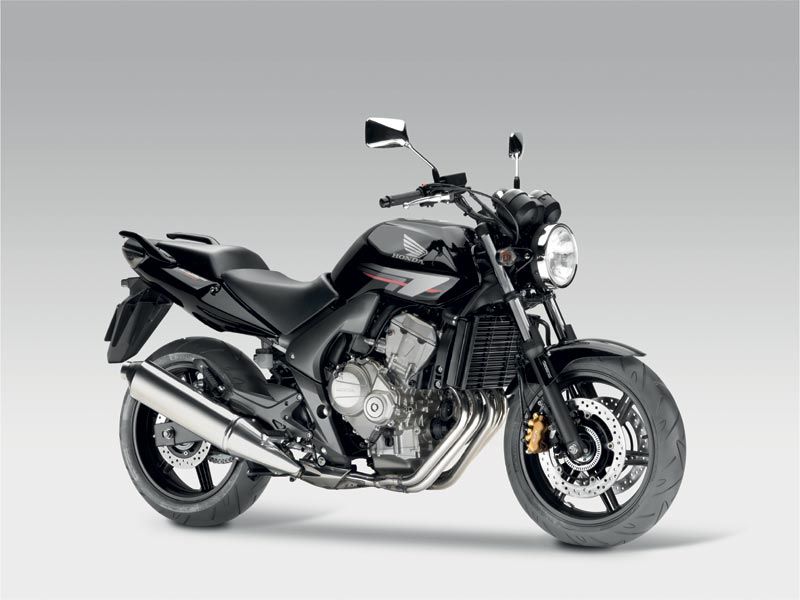
Naked bikes are standards with the bodywork stripped off — a term that caught on in the 1990s when riders started removing fairings from sport bikes. They’re the most popular category in Europe and growing fast in the U.S. The upright position means less lower-back strain than a sport bike, but wind fatigue hits hard above 110 km/h.
Neo-retro bikes blend vintage styling with modern electronics — ABS, traction control, ride modes — all hidden behind classic lines. Triumph’s Bonneville family and Royal Enfield’s 650 twins live in this space. Insurance runs moderate: $600–$1,200/year for full coverage on most models.
Cruisers
Low seat, feet forward, arms slightly raised. The cruiser puts your spine in a reclined angle that feels relaxed for the first hour but can compress your lower vertebrae on longer rides. Seat heights range from 25 to 29 inches — the lowest in motorcycling — making cruisers the go-to for shorter riders or anyone who wants both feet flat at every stop.

Cruisers run on V-twin engines. That’s where the deep, rhythmic exhaust note comes from — the uneven firing order produces the potato-potato-potato sound that became a cultural identity for Harley-Davidson and Indian riders. American biker clubs ride cruisers almost exclusively, and the lifestyle accessories — skull rings, wallet chains, leather vests — grew directly out of cruiser culture.
Power cruisers bolt sport-bike engines into cruiser frames. Over 100 hp, upgraded brakes, inverted forks. They cost 20–30% more to insure than standard cruisers because of the performance gap — but still far less than supersports.
Touring Motorcycles
Touring bikes are the long-haul trucks of motorcycling. Full wind protection, heated grips, cruise control, integrated sound systems, and hard luggage that holds enough gear for a two-week trip. They weigh 350–500 kg loaded. You won’t weave through traffic easily, but you’ll arrive with energy left.

Sport tourers trade some luggage for sharper handling and higher-rpm engines. They lean more forward than standard tourers but nowhere near as aggressively as a sport bike. Think of them as touring motorcycles that can still carve a mountain road.
Luxury tourers — Honda Gold Wing, Harley Ultra Limited, BMW K 1600 — have features you’d expect in a car. Air conditioning (yes, really), navigation, passenger armrests, reverse gear. These hold resale value best of any motorcycle category: premium touring bikes lose only 15–20% over five years.
Sport Bikes and Supersports
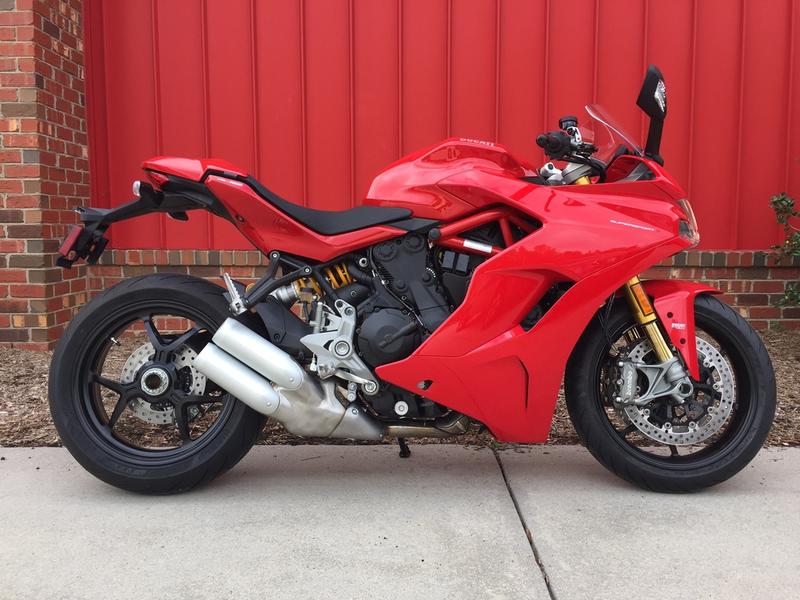
Forward lean, high pegs, clip-on handlebars. The sport bike riding position loads weight onto your wrists and lower back — great for aerodynamics on a track, rough on your body after 45 minutes in city traffic. Seat heights run 30–33 inches, which can challenge riders under 5’7″.
Supersports push everything further: 150+ hp engines, 200+ km/h top speed, and the highest insurance premiums in motorcycling. Full-coverage insurance averages $2,000–$3,500/year — two to three times more than a cruiser of similar value. The reason is statistical: sport bikes get ridden harder, crash more often, and their fairings and electronics are expensive to replace.
⚠️ Worth knowing: Sport bikes depreciate faster than any other motorcycle category. A two-year-old supersport typically loses 30–40% of its MSRP. Cruisers and tourers from Harley or BMW lose only 15–25% in the same period. If resale matters, that’s a real factor.
Adventure and Dual-Sport
Adventure motorcycles — ADVs — are the fastest-growing segment in the market right now. Tall suspension, long-travel forks, upright seating, and an engine built for both highway cruising and gravel roads. BMW’s R-series GS has led the class in global sales for over a decade. Riders 5’10″ and taller generally find ADVs most comfortable. Below that, the 33–35-inch seat height can be a challenge at stops.
Dual-sport bikes are lighter and simpler — street-legal enduros with mirrors, turn signals, and a license plate bolted on. They’re the only motorcycles equally at home on a fire road and a highway ramp. Maintenance costs are among the lowest: simple single-cylinder engines, chain drive, minimal electronics. Budget $300–$600/year.
Supermoto takes a dirt bike chassis and bolts on 17-inch road wheels with slick tires. It’s the most fun per dollar in city riding — light, flickable, designed to hop curbs. Insurance is cheap because the engines are small and the bikes rarely get stolen.
Custom Culture: Choppers, Bobbers, Cafe Racers
Custom bikes aren’t just motorcycles — they’re identity statements. Each style carries decades of subculture behind it, and the fashion that grew from them crossed into mainstream culture long ago.
Choppers
Extended forks, raked-out frame, teardrop tank, feet-forward pegs, chrome everywhere. The chopper was born in postwar California when returning soldiers stripped military-surplus Harleys down and rebuilt them their way. By the 1960s, choppers became the symbol of American counterculture — think Easy Rider and the Hells Angels. If you want more of that era, we’ve got a full list of classic biker films worth watching. Tech specs don’t matter on a chopper. Appearance does.
Bobbers
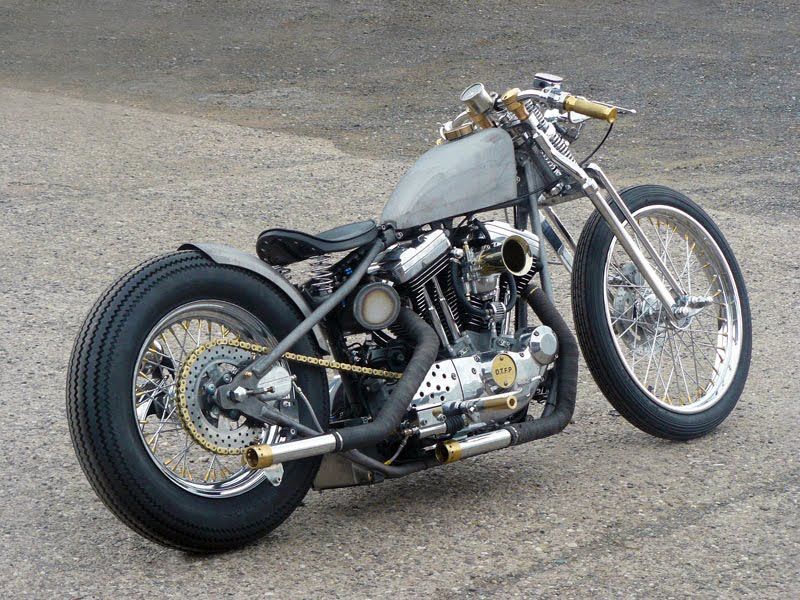
The bobber takes the opposite approach from choppers: remove everything unnecessary. Fenders shortened (“bobbed”), solo seat, minimal wiring, no windshield. The design dates to the 1930s when riders stripped their bikes for speed. Factory bobbers from Triumph and Indian have made the style accessible without a custom build — most start under $12,000.
Cafe Racers
Born in 1960s London when young riders raced between cafes — specifically the Ace Cafe on the North Circular Road. Clip-on bars, rear-set pegs, single seat, narrow tank. The goal: make the bike fast enough to hit 100 mph before the jukebox song ended. That’s where the nickname “ton-up boys” came from. Today, cafe racers attract riders who care about design as much as performance. The style blends speed with minimalism in a way no other motorcycle does.
Scramblers, Brat Style, and Rat Bikes
Scramblers are road bikes modified for occasional off-road use — knobby tires, high-mounted exhaust, shortened frame. Originally a 1960s DIY solution when dedicated dirt bikes barely existed. Brat Style, named after a Japanese workshop, mixes cafe racer, chopper, and tracker DNA into something deliberately rough. Both share a philosophy: build it yourself, keep it simple.
Rat bikes look like they were pulled from a junkyard — deliberately. Rusty parts, no polish, function over form. It’s a statement against chrome-obsessed biker culture — a rebellion that runs through the whole evolution of biker fashion. On the other end, theme bikes are artisan one-offs built around a concept — $50,000–$200,000+ of rolling art rather than daily transportation.
Off-Road: Motocross, Enduro, and Trials
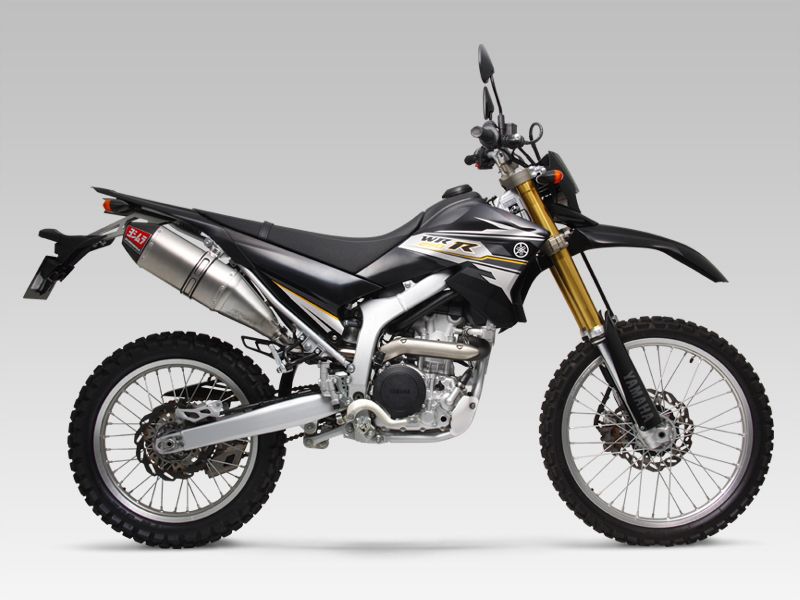
Motocross bikes are built for closed-course dirt racing. Light frames, long-travel suspension, high-revving engines. No headlights, no mirrors, no plate — they’re not street-legal. Most still use kick starters.
Enduro bikes bridge the gap between motocross and adventure. Heavier than MX bikes, more comfortable, designed for multi-day rally routes rather than 20-minute races. Some can be registered for road use.
Trials bikes are the lightest category — under 75 kg — built for precision obstacle navigation at walking speed. No real seat. Riders stand the entire time. Trials riding develops low-speed balance skills that transfer to every other motorcycle type, which is why many riding schools now recommend it.
What Each Style Costs to Own
Buying the bike is one cost. Keeping it running is another — and it varies widely across motorcycle types. The numbers below are average U.S. rates for a rider with a clean record and 5,000–10,000 annual miles.
| Style | Insurance/yr | Maintenance/yr | 5-yr Resale |
|---|---|---|---|
| Cruiser | $500–$1,200 | $400–$800 | 50–65% |
| Standard / Naked | $600–$1,200 | $400–$900 | 40–55% |
| Touring | $800–$1,800 | $600–$1,200 | 55–70% |
| Sport / Supersport | $2,000–$3,500 | $800–$2,000 | 35–50% |
| Adventure | $700–$1,500 | $500–$1,100 | 50–65% |
| Dual-Sport | $300–$600 | $300–$600 | 45–55% |
The insurance gap is enormous. A 25-year-old rider pays roughly $700/year to insure a Harley Sportster and $2,800/year for a Yamaha R6 of similar value. The difference comes down to accident frequency — sport bikes are involved in significantly more speed-related crashes, and insurers price that risk in.
Maintenance tells a different story. Cruisers use belt or shaft final drive — minimal upkeep. Sport bikes use chains that need adjustment every 500–1,000 miles and replacement every 15,000–25,000. Tires matter too: sport rubber lasts 5,000–8,000 miles. Cruiser tires go 12,000–20,000 before they need swapping.
Which Style Actually Fits Your Body
Your inseam — not your overall height — determines whether you can reach the ground safely. Seat height should be 85–90% of your inseam. The practical breakdown:
| Rider Height | Seat Height | Best Fit Styles |
|---|---|---|
| 5'2"–5'5" (157–165 cm) | 25"–28" (635–711 mm) | Cruiser, Small standard |
| 5'6"–5'8" (168–173 cm) | 28"–30" (711–762 mm) | Cruiser, Standard, Sport |
| 5'9"–6'0" (175–183 cm) | 30"–32" (762–813 mm) | Standard, Sport, ADV |
| 6'1"+ (185+ cm) | 32"–35" (813–889 mm) | ADV, Touring, Tall standard |
Beyond seat height, riding position affects your body over time. Sport bikes load roughly 60% of your weight onto your wrists — carpal tunnel and shoulder tension are common after years of daily riding. The cruiser’s feet-forward position compresses the lumbar spine on rides longer than 90 minutes. Standards distribute the load most evenly across your core. If you ride more than 5,000 miles a year, the ergonomic fit matters as much as the style.
💡 Pro tip: Use a motorcycle ergonomics simulator (like Cycle Ergo) to preview how your body fits a specific model before visiting a dealer. Enter your height and inseam — it shows knee angle, back angle, and wrist load for hundreds of bikes.
Frequently Asked Questions
What motorcycle type is best for a complete beginner?
A standard or naked bike under 500cc. The upright position teaches proper balance, the moderate seat height fits most body types, and insurance stays reasonable. Avoid supersports as a first bike — not because of the speed, but because the riding position punishes beginners who haven’t built core strength for it yet.
Do cruisers and touring bikes share the same engine type?
Often, yes. Both commonly run V-twin engines tuned for low-end torque. The difference is displacement and accessories. A touring V-twin might displace 1,800cc with liquid cooling, while a midsize cruiser runs 900–1,200cc with air cooling. Some tourers like the Honda Gold Wing use flat-six or inline-four engines instead.
Can you ride an adventure bike without ever going off-road?
Absolutely — and most ADV owners never do. The upright position, wind protection, and plush suspension make ADVs one of the most comfortable highway commuters available. Many riders fit street-oriented tires and never touch gravel. The tall 33–35-inch seat height is the real trade-off for shorter riders.
Does your motorcycle style influence what gear and accessories you wear?
Yes — noticeably so. Cruiser and chopper riders lean toward leather vests, heavy sterling silver rings, leather wallets with chain clips, and guardian bells. Sport bike riders prefer textile gear, minimal jewelry, and full-face helmets. The evolution of biker fashion shows these patterns have stayed consistent for decades.
The right motorcycle type isn’t the one that looks best in photos. It’s the one that fits your body, your budget, and the way you actually ride. Sit on it before you buy, check insurance quotes before you commit, and remember — the best bike is the one you ride every week, not the one collecting dust because it cramps your back after 30 minutes.
If you’re building out your riding setup, start with our biker jewelry — a sterling silver wallet chain is the classic cruiser pick — or browse the complete biker clothing guide to match gear to your ride.